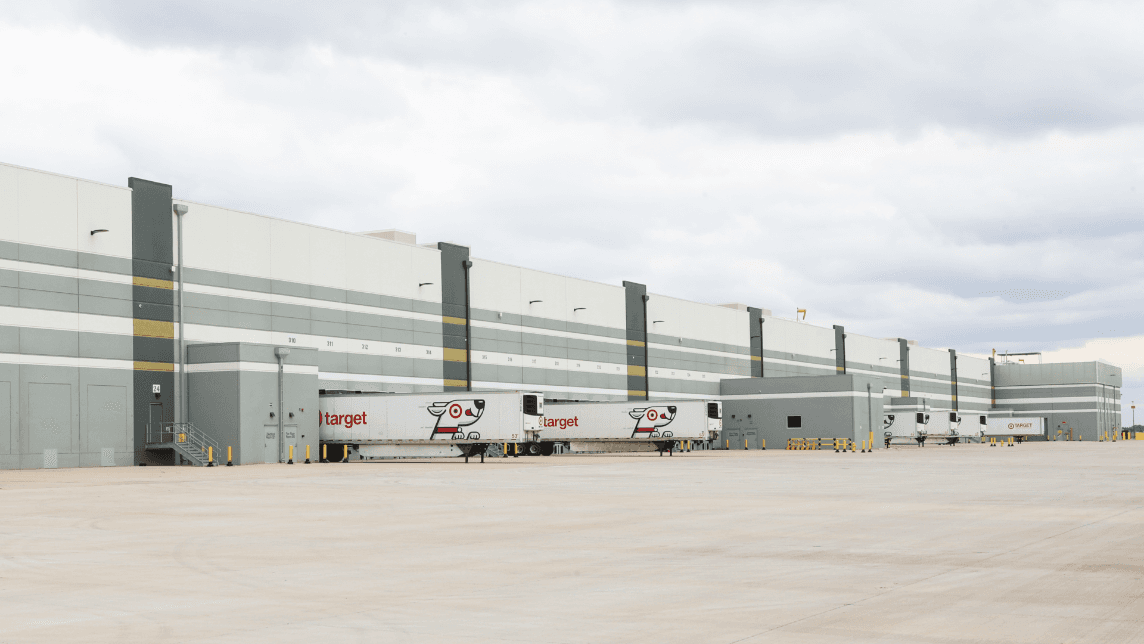
Photo via FreightWaves
Retail giant Target is making a significant infrastructure play in the food and grocery sector, according to FreightWaves. The company has opened a new $367 million food distribution center in Colorado, marking a strategic move to enhance its supply chain capabilities and expand the breadth of food offerings in its stores nationwide.
The investment underscores Target's commitment to strengthening its position in the competitive grocery and food retail landscape. By establishing a dedicated, state-of-the-art distribution facility, the company aims to improve inventory management, reduce delivery times, and offer customers a wider selection of fresh and packaged food products across its store network.
For Arizona retailers and logistics operators, Target's expansion strategy highlights the growing importance of regional distribution infrastructure in the Southwest. As major retailers continue investing in supply chain modernization, local warehousing and logistics companies may see increased demand for supporting services and expertise in areas like last-mile delivery and inventory management.
The Colorado facility represents the type of large-scale capital investment that has become common among major retailers seeking to compete in an evolving marketplace shaped by e-commerce growth and changing consumer preferences. Phoenix-area businesses in logistics, real estate, and supply chain services should monitor such moves as indicators of broader industry trends affecting regional commerce.