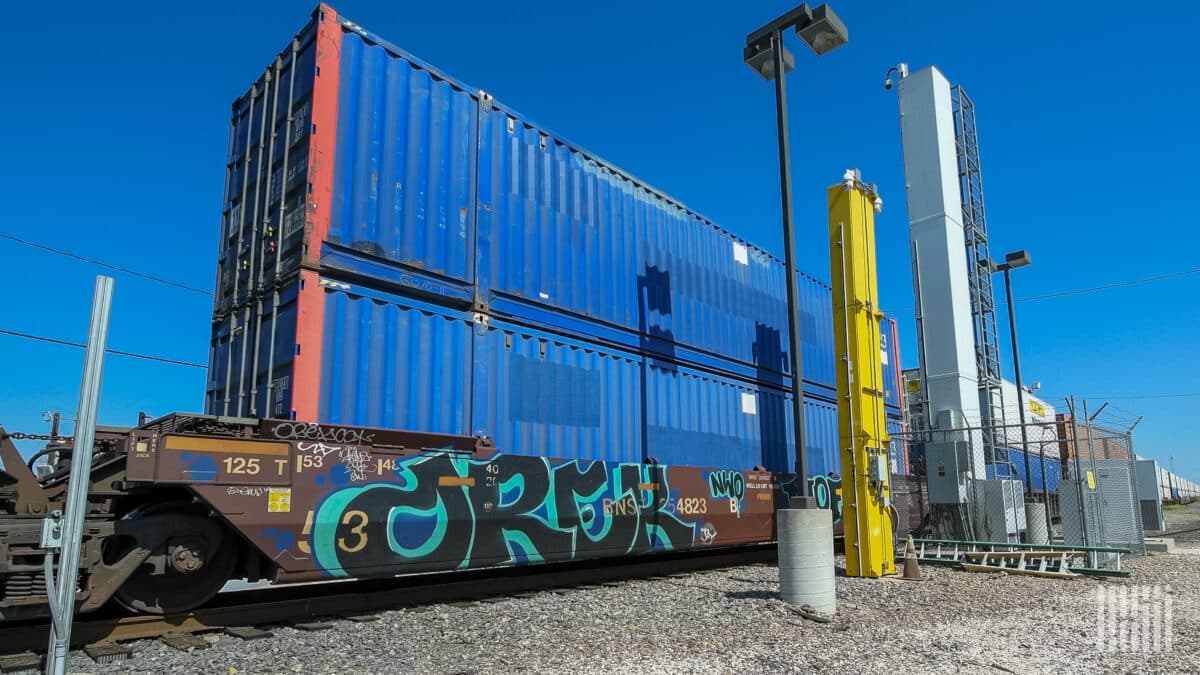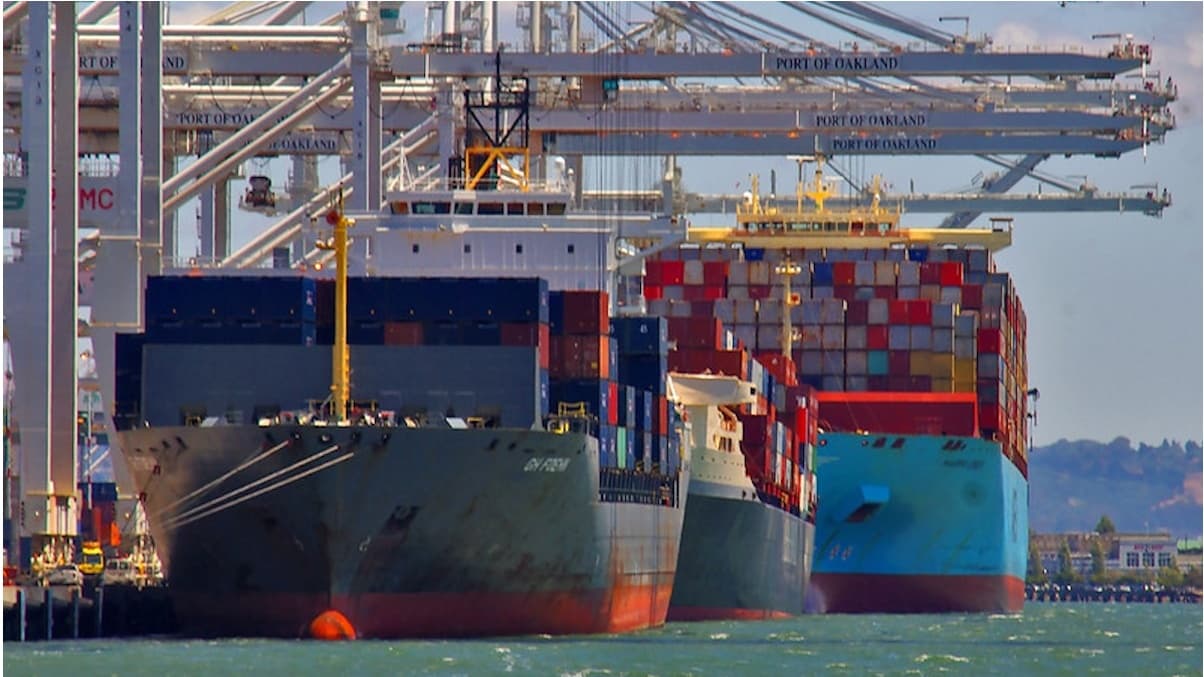
Photo via FreightWaves
The Port of Oakland maintained relatively flat cargo volumes in April compared to the same period last year, according to FreightWaves. Despite overall stability in throughput, the port experienced a notable reduction in the number of vessel calls, suggesting carriers are optimizing routes and consolidating shipments to improve operational efficiency.
This trend reflects broader shifts in West Coast maritime operations that ripple across the country's supply chains. Arizona-based logistics companies and retailers dependent on California port infrastructure should monitor these efficiency gains, as they may signal capacity constraints or strategic repositioning by major shipping lines that could affect inland distribution networks.
Export cargo maintained a slight edge over imports at Oakland in April, indicating robust domestic demand for outbound goods. The balance between inbound and outbound traffic provides context for Arizona businesses evaluating their supply chain resilience and port selection strategies for goods moving through California gateways.
Phoenix-area companies relying on West Coast ports for inventory may want to assess how consolidation trends and reduced vessel frequency impact their shipping timelines and logistics costs. Understanding port-level dynamics helps regional businesses better forecast delivery schedules and plan inventory management strategies for the coming months.