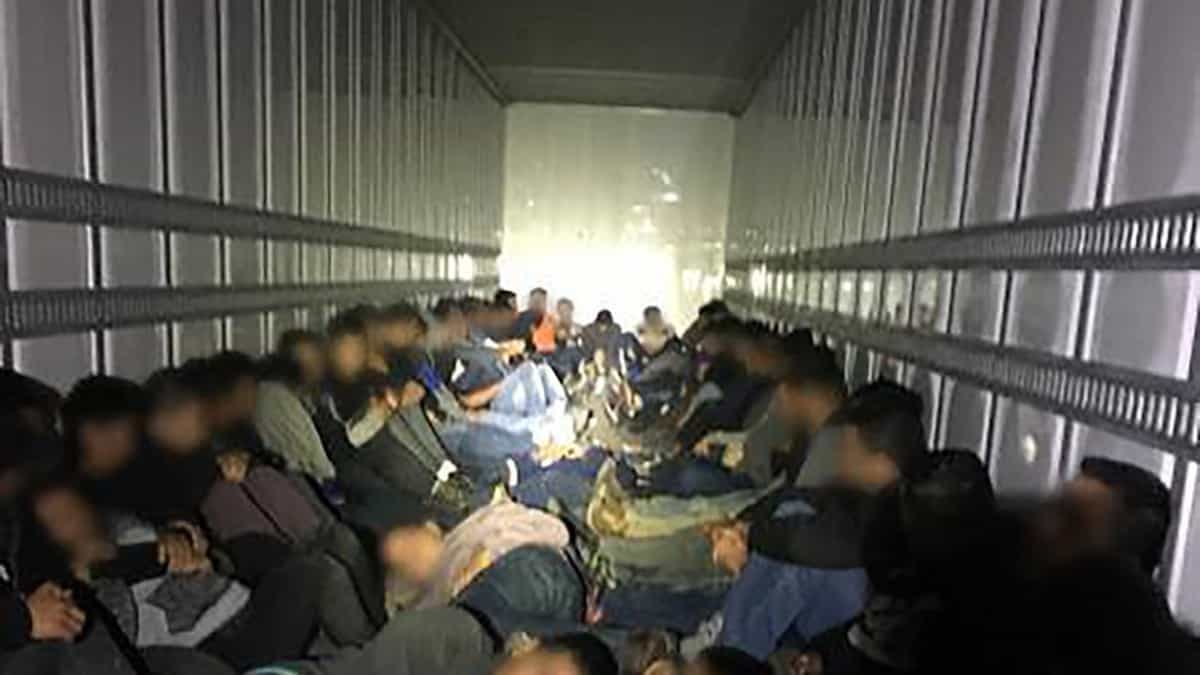
Photo via FreightWaves
The Biden administration has announced new tariff penalties targeting 60 countries deemed insufficient in their efforts to combat forced labor in imported goods. According to FreightWaves, these tariffs will reach as high as 12.5%, representing a significant escalation in trade enforcement tied to labor compliance standards.
For Phoenix-area businesses reliant on international supply chains—particularly in manufacturing, retail, and logistics—these tariffs present both compliance challenges and cost pressures. Companies sourcing materials or finished goods from the targeted nations will need to reassess their procurement strategies and potentially face higher import costs.
The tariff action reflects growing U.S. government focus on ethical sourcing and labor standards across global supply networks. This shift underscores the importance for Arizona businesses to conduct thorough due diligence on their supply chain partners and ensure their sourcing practices align with evolving federal regulations.
Local importers and manufacturers should evaluate whether their current suppliers appear on the enforcement list and consider consulting with trade compliance experts. The increased tariff environment may also create opportunities for businesses to diversify suppliers to lower-tariff countries or strengthen domestic sourcing relationships within Arizona's growing manufacturing sector.