Photo via FreightWaves
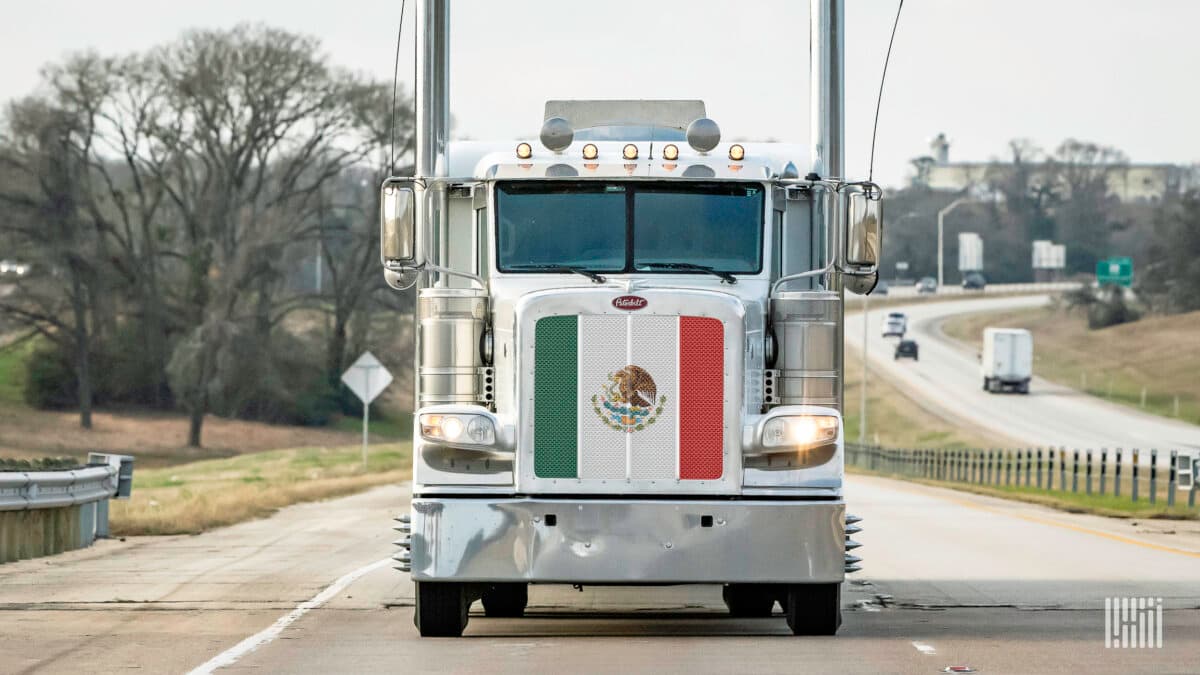
According to FreightWaves, a significant enforcement action has resulted in thousands of Mexican commercial drivers losing their US visas over cabotage violations—the illegal practice of foreign carriers transporting goods between domestic US points. This crackdown represents a major shift in cross-border trucking enforcement and could have immediate implications for Arizona companies relying on Mexican transportation partners.
Arizona's economy has long depended on efficient cross-border logistics, particularly given the state's proximity to Mexico and its role as a distribution hub for the Southwest. Any disruption to the Mexican trucking workforce could create bottlenecks at Arizona ports of entry, delay shipments for Phoenix manufacturers and retailers, and potentially increase transportation costs across the region's supply chains.
The visa revocations underscore ongoing tensions around USMCA compliance and cross-border trade protocols. According to the report, US and Mexican officials have completed their first round of USMCA talks, suggesting both nations are working to clarify regulations—though enforcement actions continue independently. Phoenix-based logistics firms and importers should monitor these negotiations closely.
Industry observers note that companies operating in transportation, food distribution, and manufacturing may need to reassess their cross-border logistics strategies in the coming months. Legal compliance, carrier vetting, and contingency planning with domestic alternatives could become critical priorities for businesses that have relied on traditional Mexican trucking partnerships.