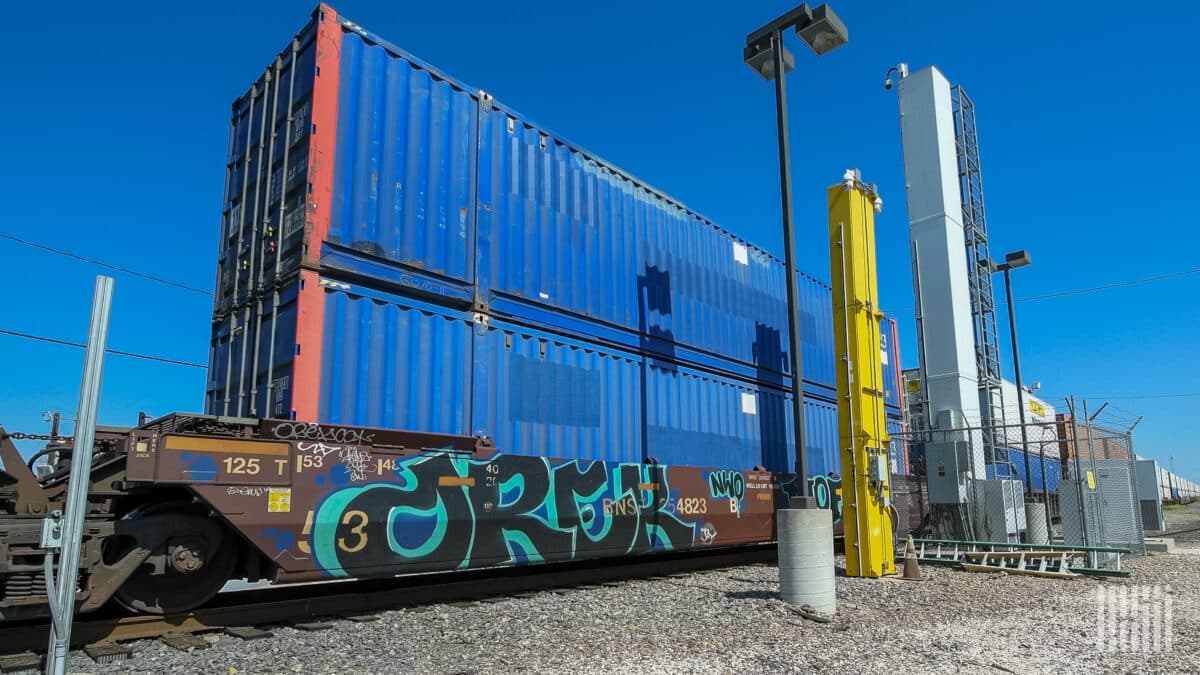
Photo via FreightWaves
According to FreightWaves, the trucking industry is experiencing a troubling migration pattern as regulatory enforcement tightens on traditional long-haul operations. Rather than exiting the market, operators with marginal compliance records are pivoting toward hotshot trucking and auto transport segments, where oversight remains comparatively light.
The appeal of this transition is economically straightforward. Hotshot operations—which handle time-sensitive, smaller freight loads—require smaller rigs that face fewer inspections and generate substantially lower insurance premiums than their full-size counterparts. For operators unwilling to meet stricter compliance standards, these segments represent a lower-friction path to continued operation.
For Arizona's logistics and freight sectors, this trend carries real implications. The state's position as a regional logistics hub means hotshot and auto transport operations are integral to local supply chains. An influx of minimally regulated operators could elevate safety risks, create unfair competition for compliant carriers, and potentially invite heightened regulatory scrutiny across the entire market.
Industry observers note this represents a broader challenge: enforcement gains in one segment often create incentives for regulatory arbitrage rather than genuine market exit. Phoenix-area fleet operators and logistics companies should monitor this landscape closely, as market consolidation around compliance-focused businesses may reshape competitive dynamics in the coming months.