Photo via FreightWaves
Arizona's logistics and freight sectors are navigating a pivotal transition as new regulations reshape the economics of heavy-duty electric vehicle adoption. According to FreightWaves, fleet operators and charging providers are fundamentally rethinking their infrastructure strategies in response to changing regulatory requirements, signaling both challenges and opportunities for the state's transportation industry.
The shift extends beyond vehicle procurement to the underlying power systems that support electrification. Companies are increasingly exploring on-site power generation and energy management solutions to reduce dependency on grid infrastructure, a particularly relevant consideration for Phoenix-area operators managing large fleet depots across the Arizona desert where power availability and peak demand pricing can significantly impact operational costs.
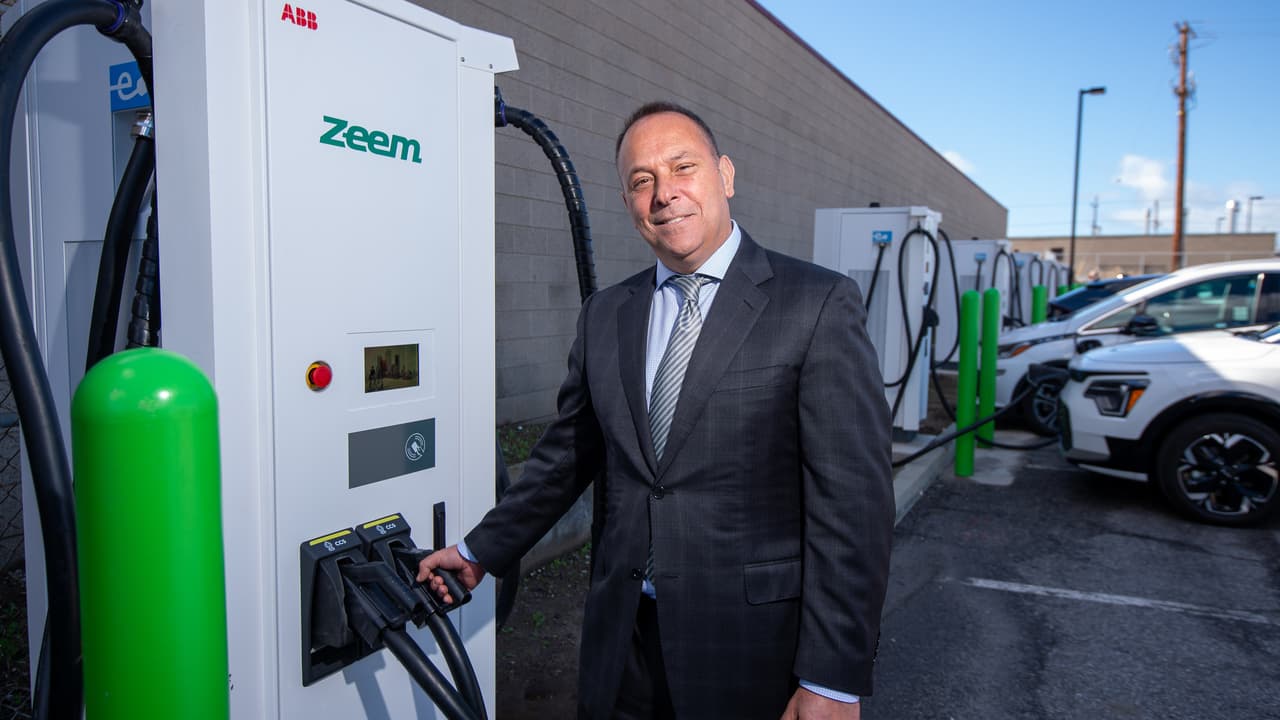
According to Zeem CEO Paul Gioupis, the conversation around heavy-duty electrification must now encompass three interconnected factors: vehicle performance capabilities, charging infrastructure capacity, and grid integration planning. This holistic approach reflects a growing recognition among fleet managers that successful EV transition requires coordination across technology, infrastructure, and energy management.
For Phoenix-based logistics companies, timing matters significantly. Early adopters who invest in comprehensive charging solutions and on-site power systems now may gain competitive advantages in freight efficiency and sustainability positioning. As regulations continue to tighten, the companies that prepare comprehensive infrastructure plans—rather than reactive charging deployments—will likely lead the region's transition to electric heavy-duty transportation.