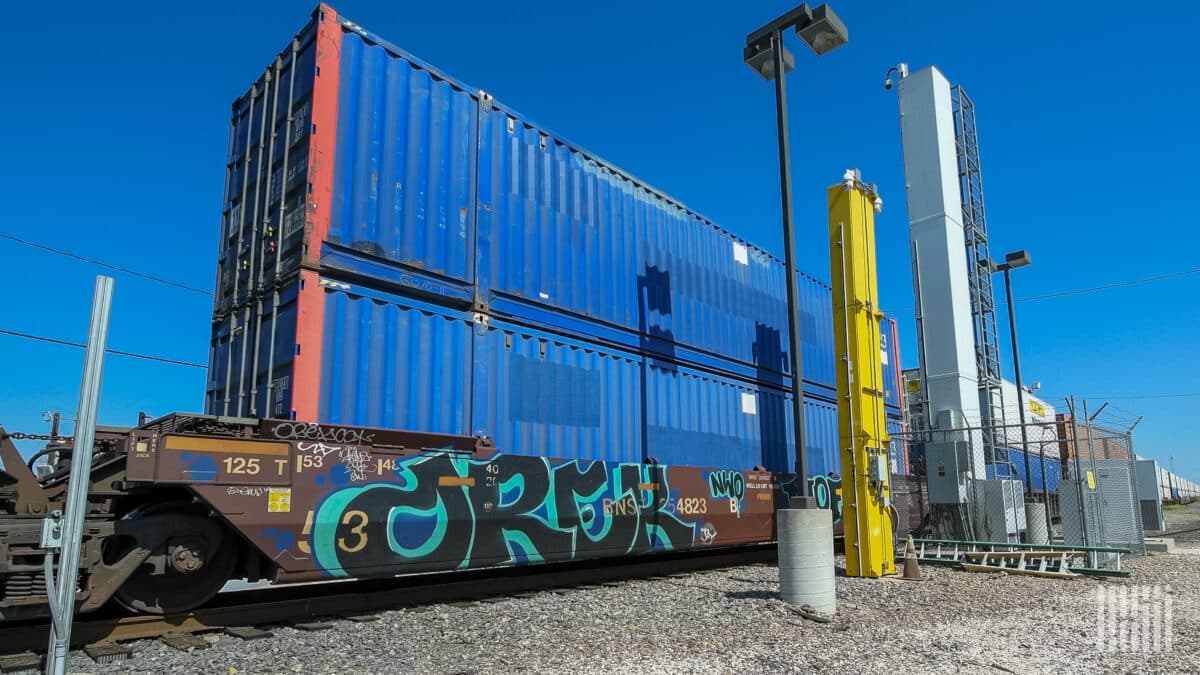
Photo via FreightWaves
Arizona's logistics sector faces a persistent efficiency puzzle: two owner-operators running the same corridors with comparable freight loads can experience fuel economy differences of more than 20%, according to industry analysis. One operator might achieve 7.5–7.8 miles per gallon while a peer averages just 6.1–6.3 mpg—a gap that translates to hundreds of dollars weekly in additional fuel costs for the less efficient driver. For Phoenix-area trucking operations already operating on thin margins, understanding these performance differentials has become critical to competitive survival.
The variables driving these fuel economy spreads are multifaceted and often overlooked by operators focused solely on route optimization. Equipment maintenance, driving technique, tire pressure management, aerodynamic modifications, and idle time reduction all play measurable roles in final mpg calculations. When fuel represents 25–35% of operating costs for many trucking companies, even fractional improvements compound significantly across annual mileage.
According to industry sources, owner-operators in high-traffic corridors often underestimate how behavioral factors and preventive maintenance schedules influence fuel consumption. Regular engine diagnostics, proper load weight distribution, and adoption of newer fuel-efficient technologies can narrow the efficiency gap considerably. For Arizona-based carriers managing regional and cross-country routes, investing in driver training programs and fleet monitoring systems has proven more cost-effective than accepting sub-optimal performance as inevitable.
The Phoenix logistics community should view fuel efficiency not as a peripheral concern but as a direct profit lever. As competition intensifies and fuel prices remain volatile, carriers that systematize efficiency improvements—through data tracking, driver accountability, and equipment upgrades—will maintain operational advantages over competitors relying on traditional practices. Small operational refinements across a fleet can yield five-figure annual savings.