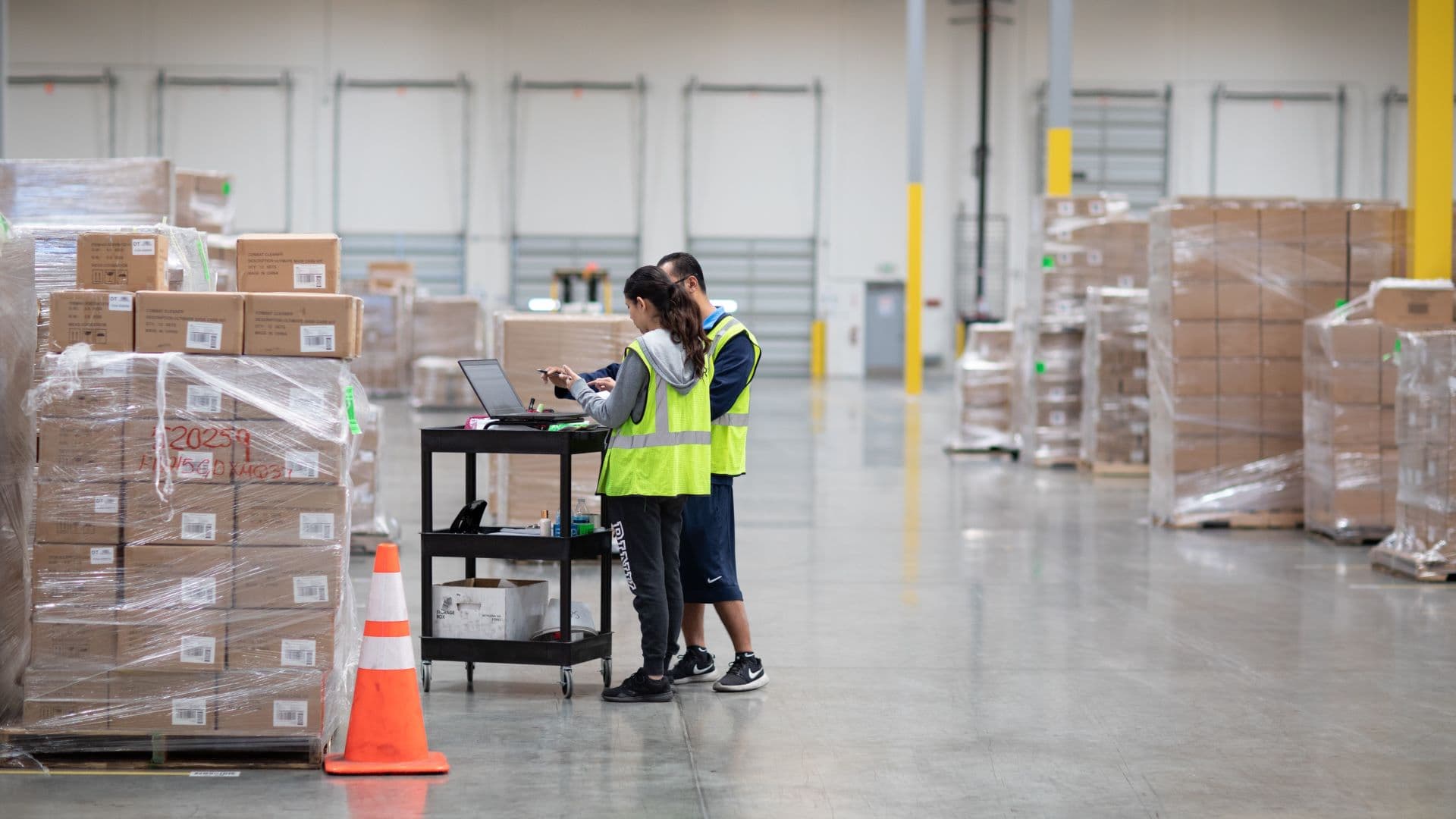
Photo via FreightWaves
China's manufacturing sector is showing signs of weakness, with the purchasing managers index (PMI) slipping to 50.0% in May—a critical inflection point that separates economic expansion from contraction. According to FreightWaves, this decline puts the world's second-largest economy on precarious footing as factories face mounting pressure from weak demand and persistent economic headwinds.
For Phoenix-area businesses, particularly those in logistics, manufacturing, and import-export sectors, a slowdown in Chinese production carries direct implications. Arizona's supply chains are deeply intertwined with Chinese manufacturing networks, and any contraction ripples through freight volumes, shipping costs, and inventory levels at local warehouses and distribution centers throughout the greater Phoenix region.
The PMI reading of exactly 50.0% represents a crossroads: readings above 50 indicate expansion, while those below signal contraction. This razor-thin margin suggests China's manufacturing momentum has stalled, which could translate into reduced orders from Arizona companies sourcing goods from overseas and lower demand for U.S. exports heading to Chinese markets.
Business leaders in Phoenix should monitor this trend closely as it develops. Weakening Chinese manufacturing could affect everything from consumer goods pricing to logistics job availability in the Phoenix metro area. Companies with significant Asia-Pacific exposure may want to reassess their supply chain strategies and diversification plans in coming months.