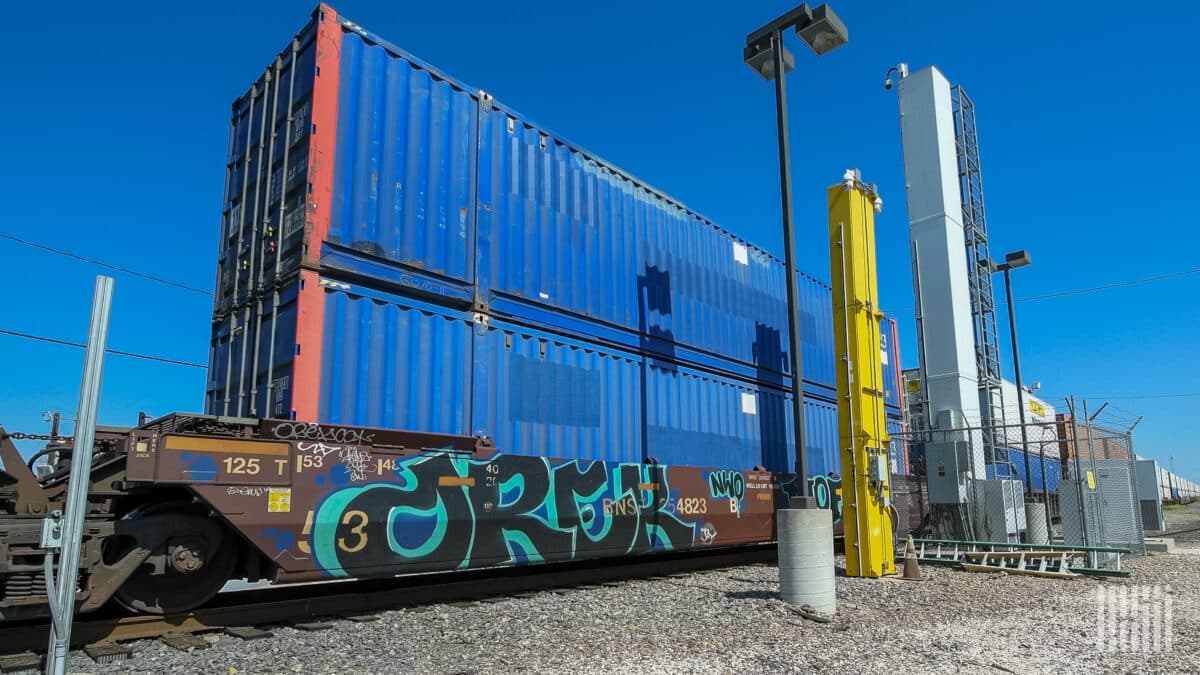
Photo via FreightWaves
Cargo theft has evolved dramatically over the past decade, transcending its historical role as a logistics-specific problem to become a matter of broader economic and national security concern. According to FreightWaves, recent investigations have uncovered connections between organized theft operations and cartel activity, prompting congressional attention and testimony from industry experts. For Phoenix-area businesses reliant on supply chain stability, this escalation signals rising risks to inventory, shipments, and operational continuity.
The proliferation of organized cargo theft creates a ripple effect throughout the economy that extends well beyond trucking companies and warehouses. When high-value goods are stolen in transit, the costs are absorbed across multiple sectors—manufacturers absorb losses, retailers face inventory shortages, and ultimately consumers pay through higher prices. Arizona's robust distribution and logistics hub status means the state's businesses are particularly vulnerable to disruptions in cargo security and supply chain integrity.
The involvement of criminal networks in cargo theft represents a fundamental shift in how the industry must approach security and risk management. Businesses can no longer treat cargo theft as an isolated operational issue but must now consider it within the context of broader organized crime. Phoenix companies operating distribution centers, warehouses, or shipping operations should reassess their security protocols, partner vetting processes, and insurance coverage to account for this elevated threat landscape.
Industry advocates continue to push for legislative action and coordinated enforcement efforts to combat organized cargo theft at the federal level. For Arizona business leaders, staying informed about these developments and participating in industry associations focused on supply chain security can help mitigate risks. Proactive investment in theft prevention, employee training, and real-time tracking technologies represents a necessary adaptation to today's cargo security environment.